

About the Dilin Duwa Dialogues
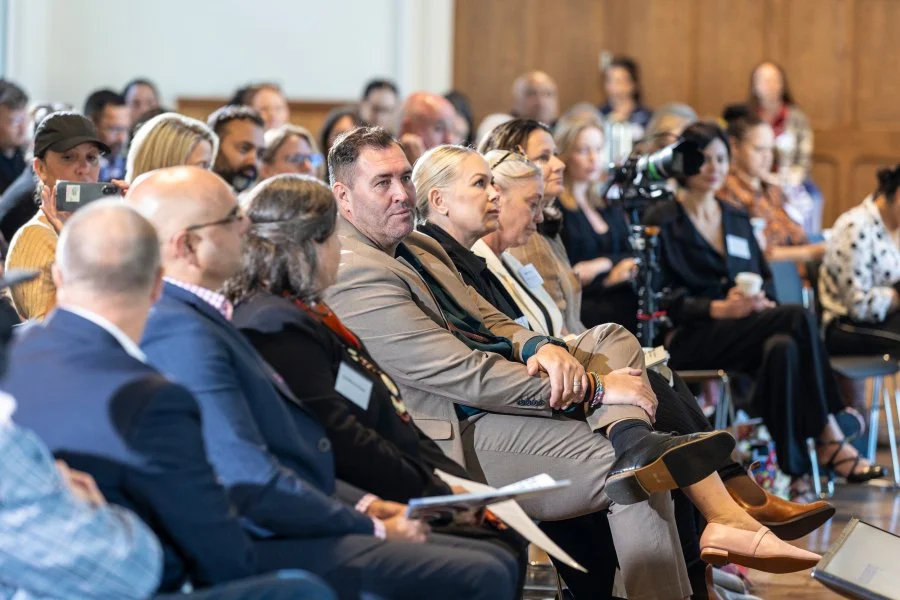
The Dilin Duwa Dialogues is a triannual global gathering of Indigenous business leaders, researchers, policymakers, and global partners convened by the Dilin Duwa Centre for Indigenous Business Leadership at the University of Melbourne. It is an Indigenous-led, global platform focused on advancing Indigenous economic empowerment through research, policy and enterprise in ways that are relational, place-based, and grounded in Indigenous authority.
The Dilin Duwa Dialogues is a new approach to Conferencing.
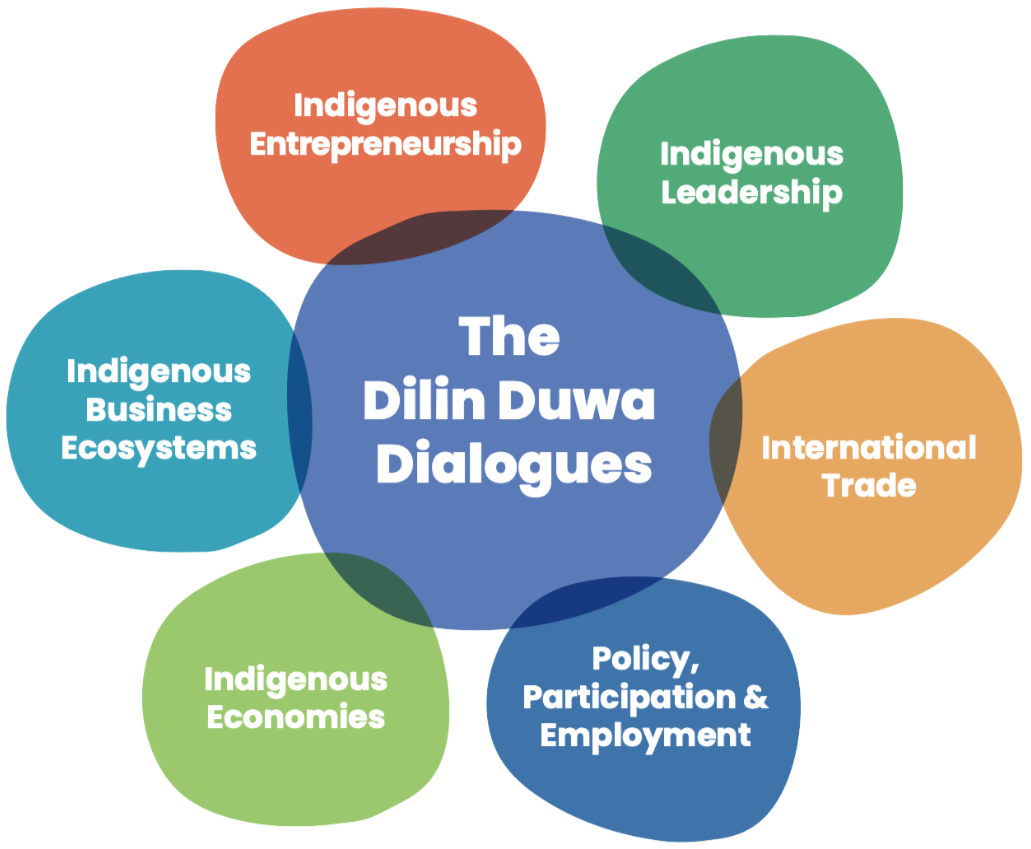
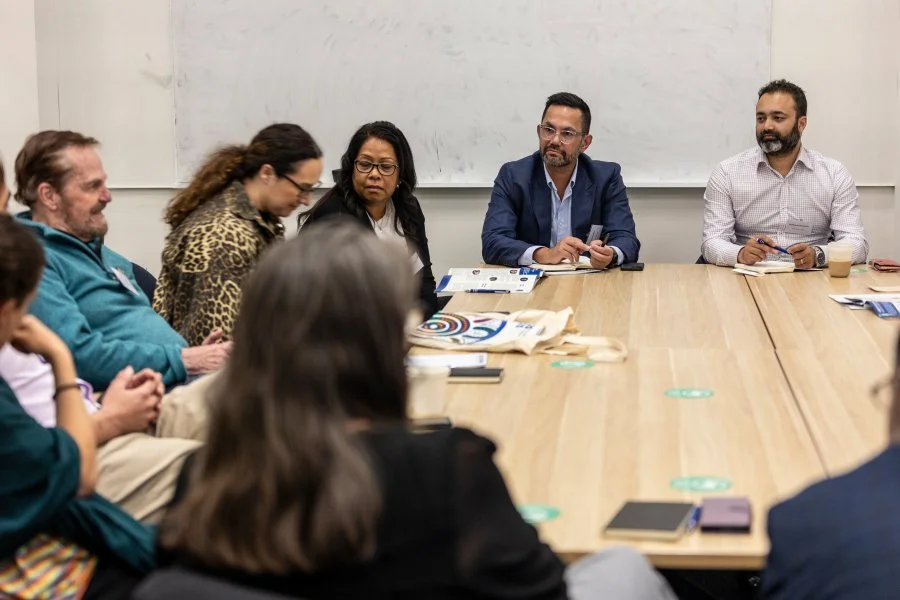
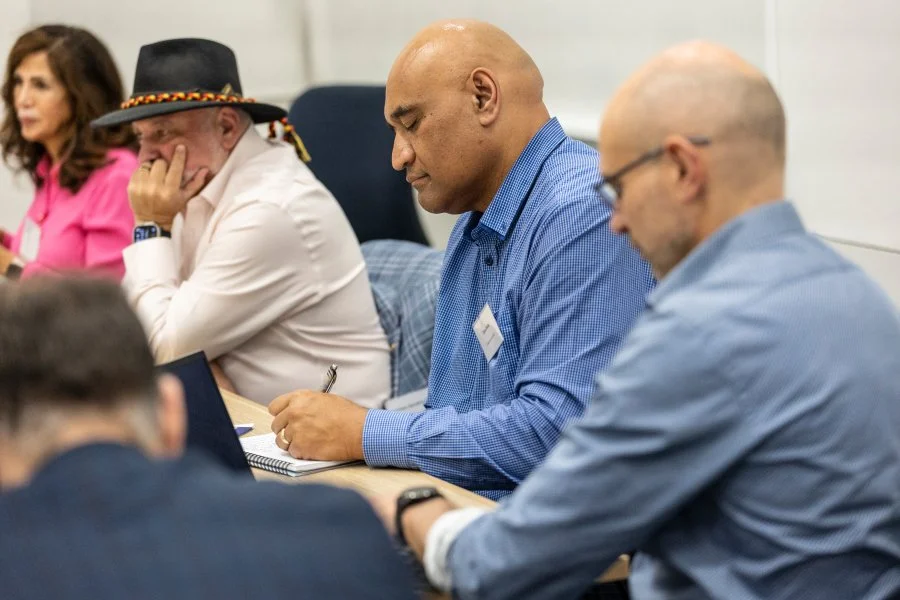
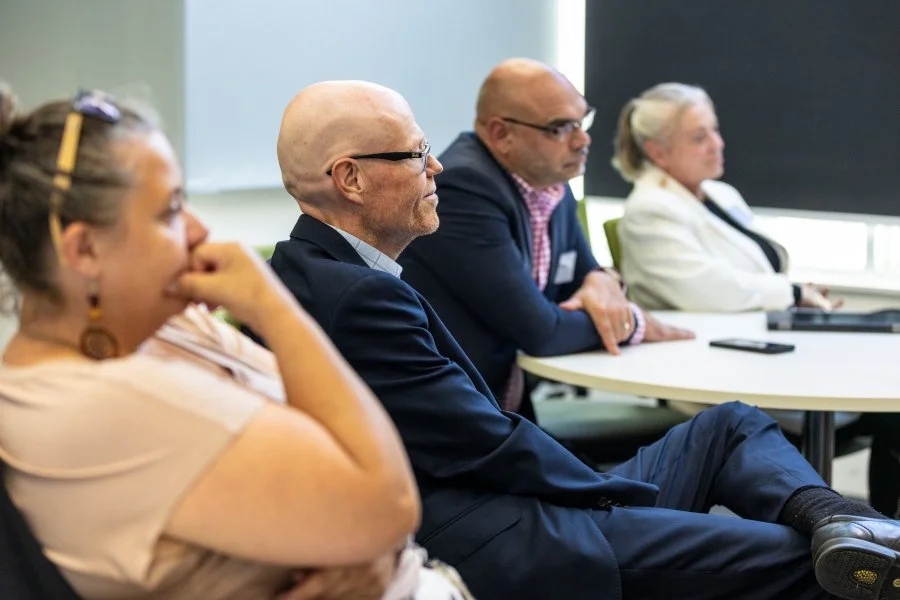
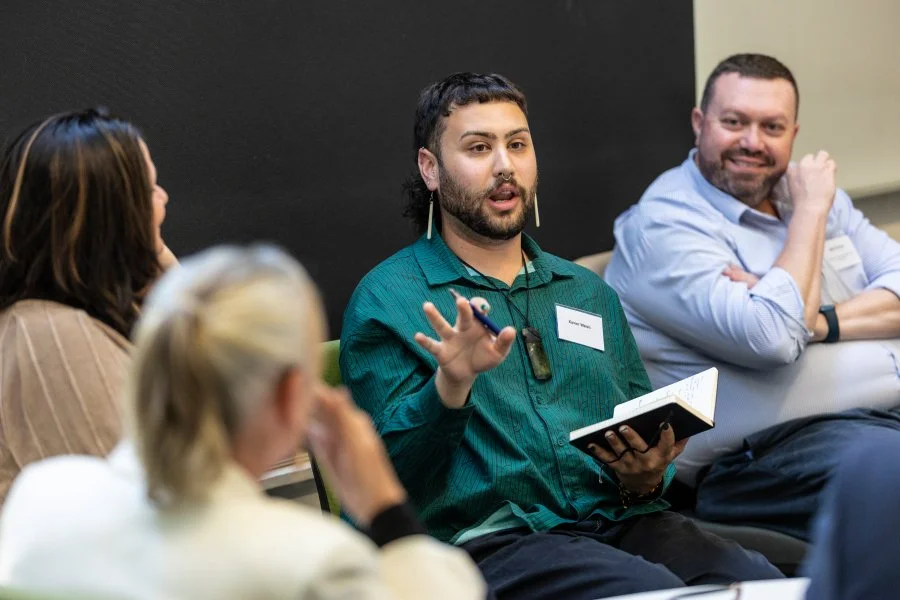
Built around six themes that are critical to Indigenous economic empowerment, we will convene six working groups to explore and co-create research projects that matter to the Indigenous business sector.
Each theme will be led by an eminent scholar in the field.
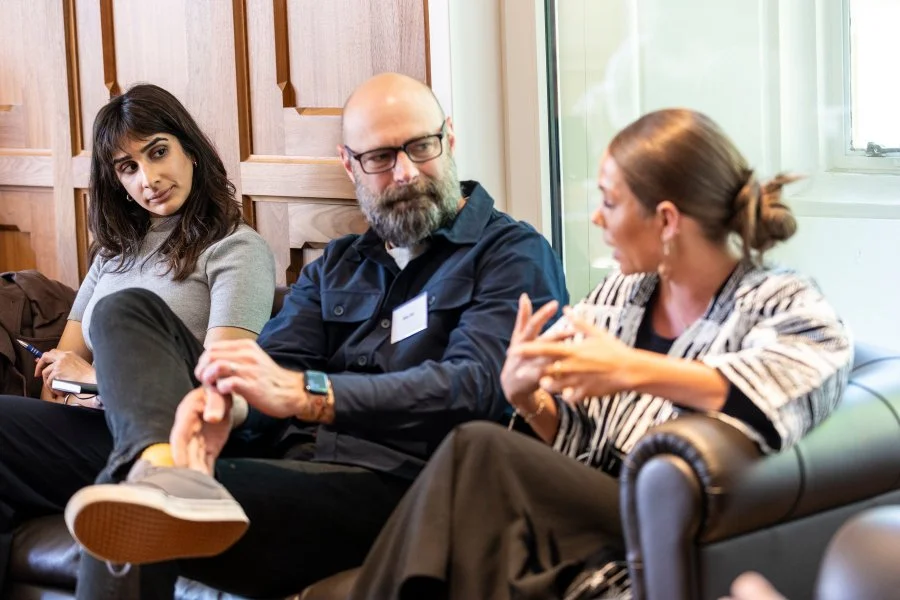
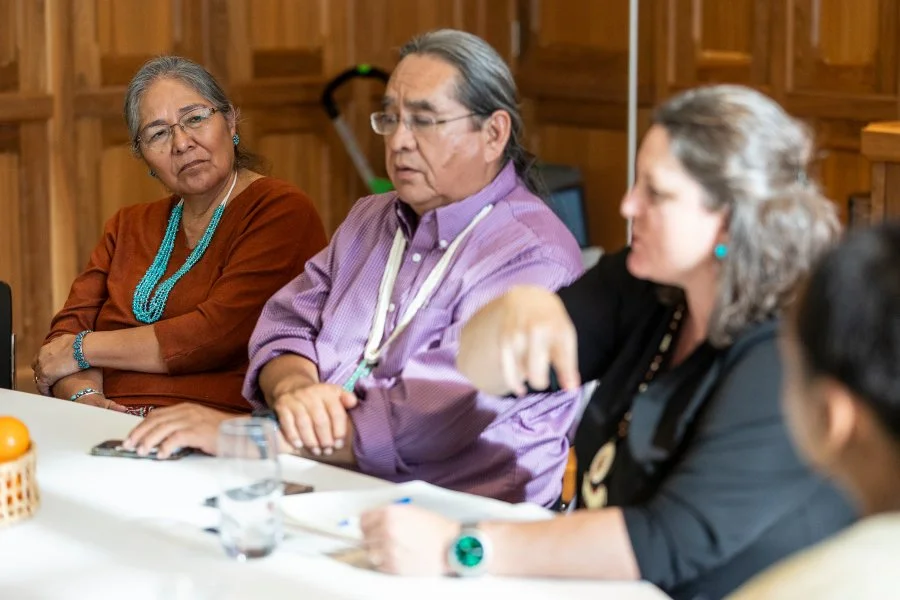
“The variety of people and perspectives - both academic and practitioner - was really powerful, and deeper dialogue emerged through the way the sessions were structured.”

Keynote Speaker
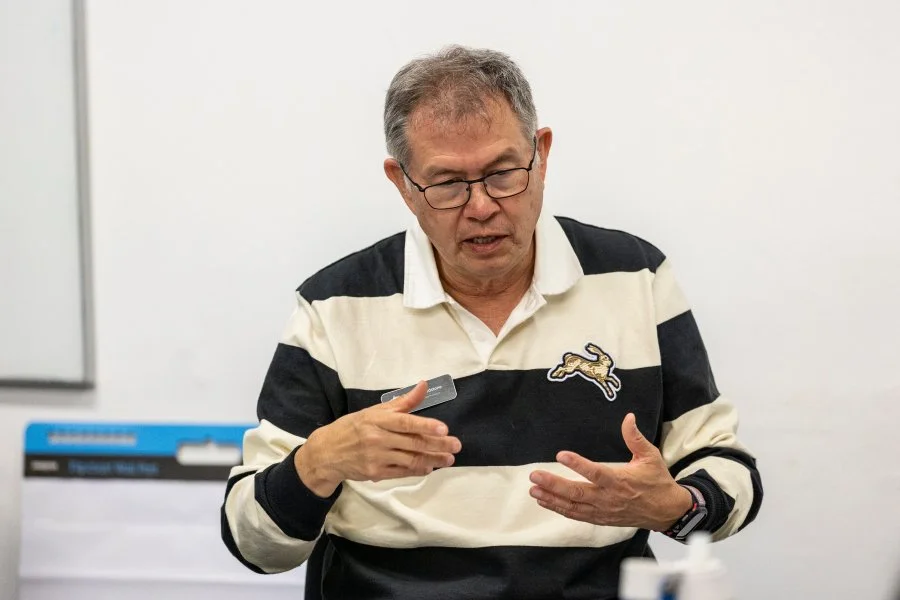
Professor Manley Begay Jr.
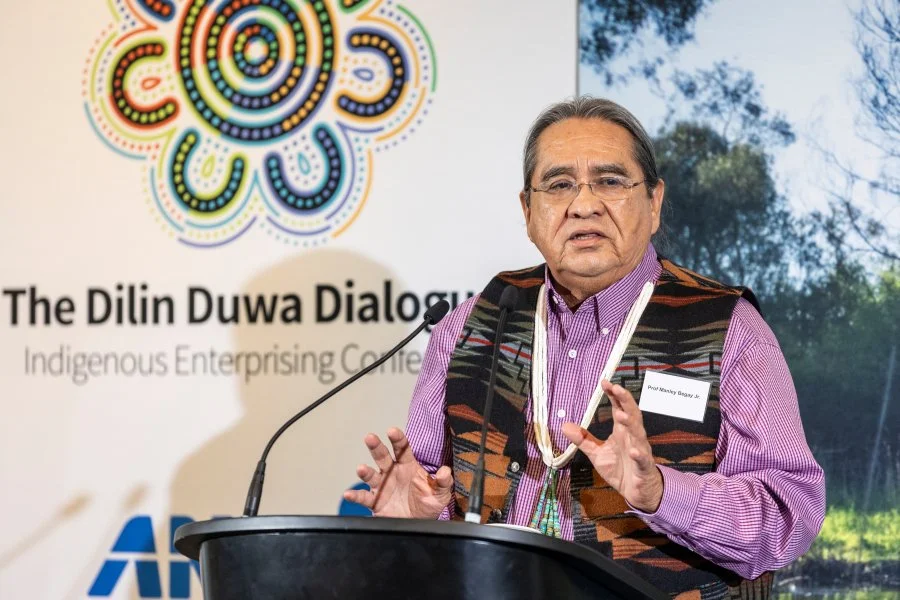
We were honoured to welcome Professor Manley A. Begay Jr. as our keynote speaker. A citizen of the Navajo Nation, Professor Begay’s maternal clan is Ma’ii Deesgiizhinii (Coyote Pass – Jemez Clan) and his paternal clan is Táachii’nii (Red Running into the Water People). His maternal grandfather’s clan is Lók’aa’ Dine’é (Reed People) and his paternal grandfather’s clan is Tódích’íi’nii (Bitter Water).
Professor Begay is a tenured faculty member in both the Department of Applied Indigenous Studies and the Department of Politics and International Affairs at the College of Social and Behavioral Sciences, Northern Arizona University (NAU). He teaches courses in Indigenous Nation-Building, Navajo History, and Navajo Philosophy, and serves as Director of the Tribal Leadership Initiative within NAU’s Office of Native American Initiative and Advancement.
Research themes
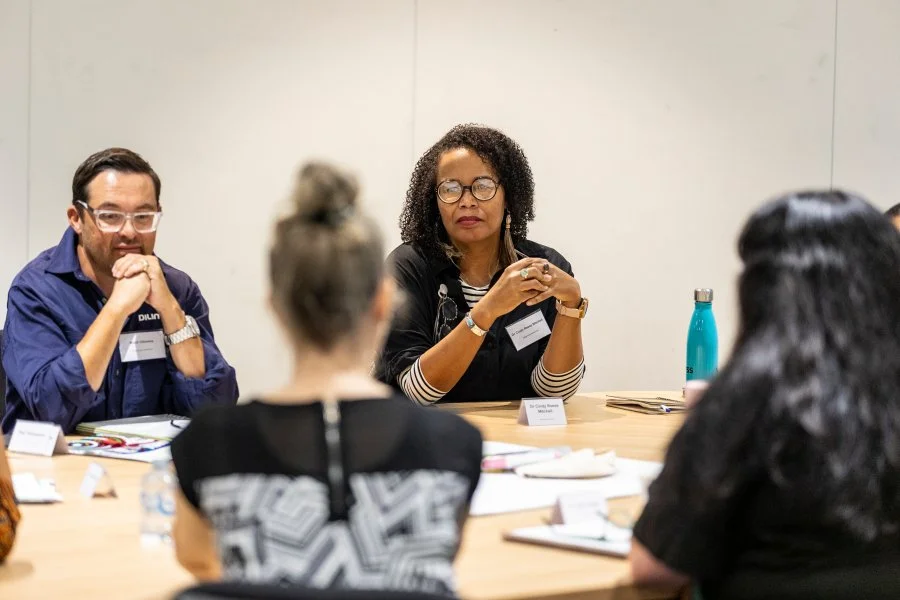
The Dilin Duwa Dialogues are shaped around six key research themes, each led by respected Indigenous scholars. These themes guide our conversations, deepen our understanding, and set the foundation for research collaborations and action beyond the event.
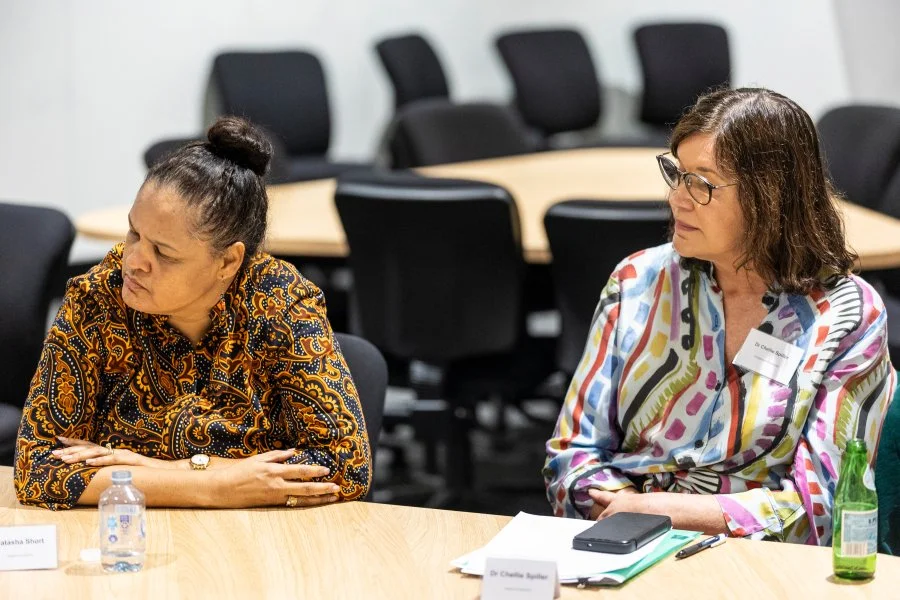
Indigenous Leadership
Celebrates and examines leadership grounded in Indigenous values, worldviews, and responsibilities to community. This theme invites reflection on how Indigenous leadership can transform organisations, inspire future generations, and influence systems change.
Chair: Professor Chellie Spiller
Roundtable members: Mitchell Hibbens, Dr Ree Jordan, Dr Lana Leslie, Dr Cindy Reese Mitchell, Pania Newton, Natasha Short
Indigenous Entrepreneurship
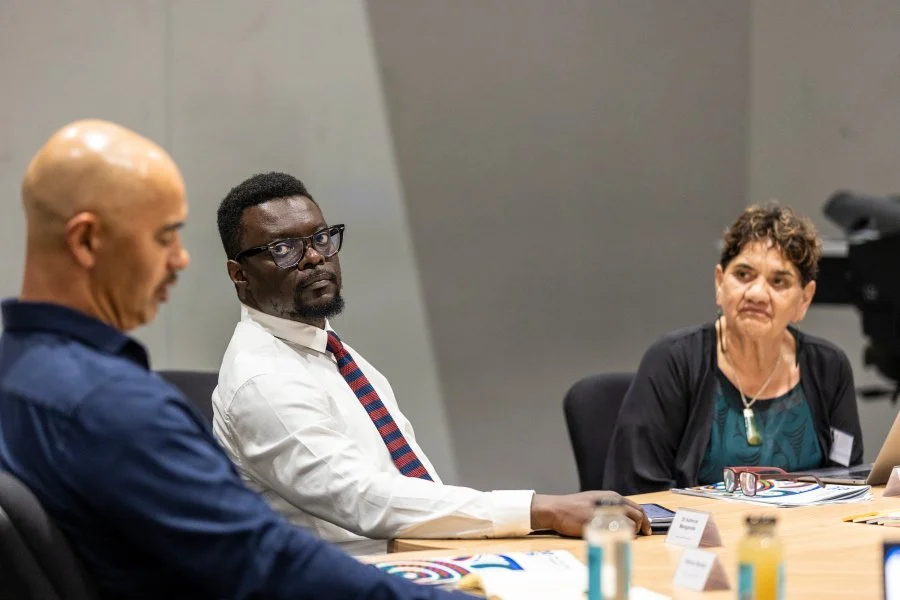
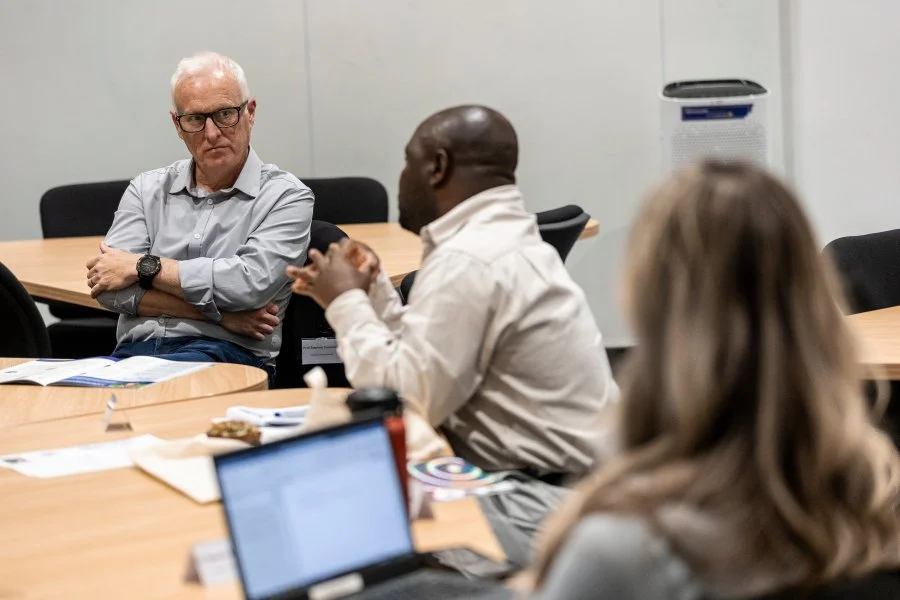
Highlights the innovation, creativity, and adaptability of Indigenous entrepreneurs. This theme explores how Indigenous businesses balance commercial success with cultural responsibilities, and how entrepreneurship contributes to social and economic wellbeing.
Chair: Professor Ella Henry
Roundtable members: Dr Tasha Brooks, Professor Stephen Cummings, Dr Admiral Manganda, Dr Peter Musinguzi, Jacqueline Paul, Steven Renata, Professor Deidre Tedmanson
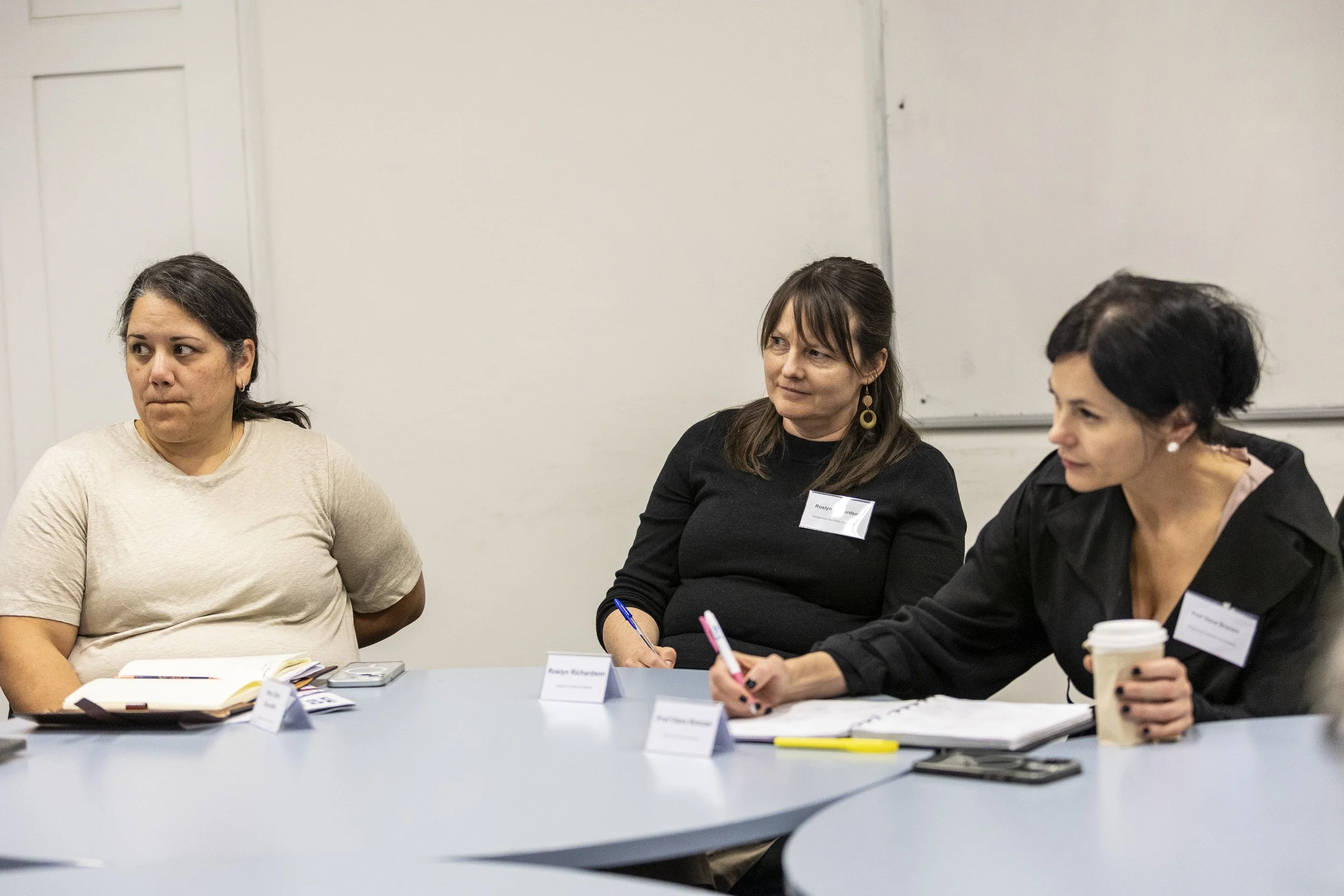
Indigenous Business Ecosystems
Looks at the systems and supports that enable Indigenous businesses to thrive — from networks and supply chains to education and investment. This theme focuses on building strong, interconnected ecosystems that sustain long-term growth.
Chair: Associate Professor Joe Gladstone
Roundtable members: Professor Jo Barraket, Professor Oana Branzei, Stella de Cos, Associate Professor Mary Beth Doucette, Dr Mark Jones, Mariaa Randall, Dr Roslyn Richardson, Dr Emily Salmon
International Trade
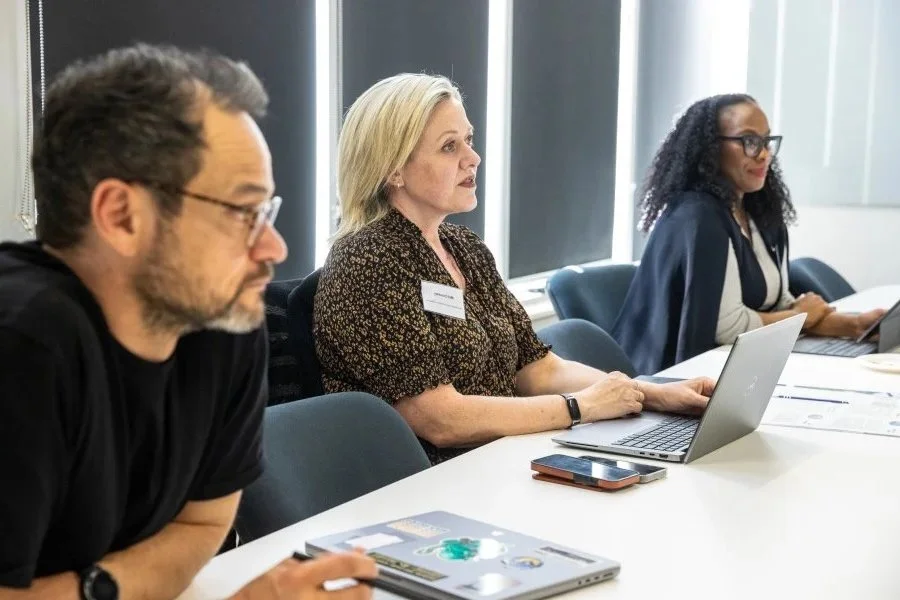
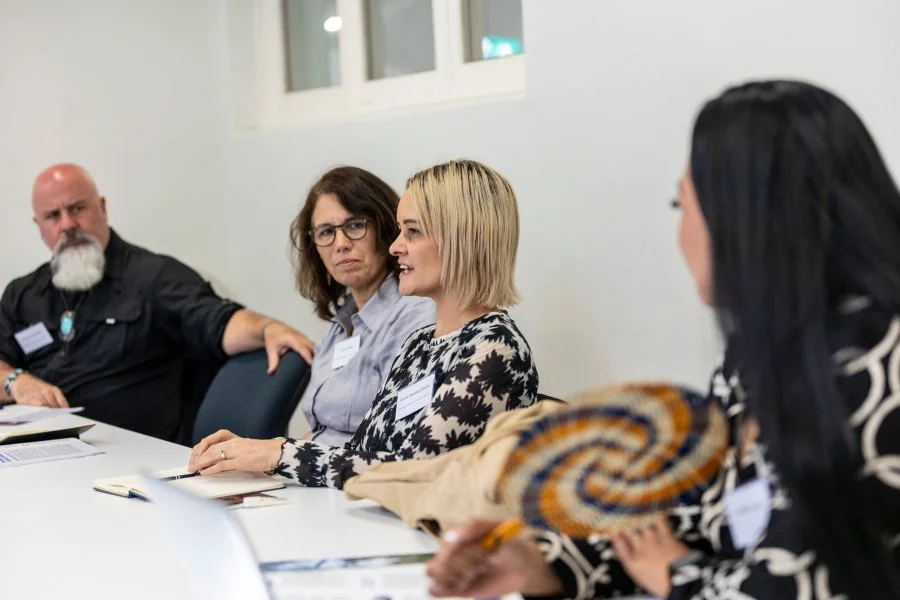
Examines the role of Indigenous peoples in global trade and economic relationships. This theme considers opportunities for collaboration, export, and cross-cultural exchange, while safeguarding Indigenous knowledge and ensuring fair, respectful partnerships.
Chair: Professor Jason Mika
Roundtable members: Dylan Booth, Shelley Cable, Dr Gavin Clarkson, Mel Crossley, Bridget Donovan, Dr Dinah Hippolyte-Blake, Dr Tanya Jurado, Dr Jesse Pirini, Chris Rees, Dr Sisikula Sisifa, Tui Kaumoana Steedman, Carrie Stoddart-Smith
Indigenous Economies
Explores the strengths, resilience, and diversity of Indigenous economic systems — past, present, and future. This theme examines how Indigenous values, relationships, and governance shape economic activity and prosperity, and how these approaches can influence broader economic thinking.
Chair: Professor Ana Maria Peredo
Roundtable members: Caleb Adams, Selwyn Button, Associate Professor Rochelle Coté, Celia Karl, Professor Murdith McLean, Associate Professor Julie Moschion, Dion Peita, Associate Professor Cain Polidano, Professor Matt Roskruge, Professor Deen Sanders, Hillmaré Schulze, Dr Siddharth Shirodkar
Policy, Participation & Employment
Focuses on policy frameworks that enable greater Indigenous participation in the workforce and in decision-making. This theme brings forward strategies to dismantle barriers, strengthen community capacity, and shape policies that support self-determined economic futures.
Chair: Associate Professor Sharlene LeRoy-Dyer
Roundtable members: Dr Angela Chen, Matthew Denyer, Dr Christian Eva, Professor Andrew Gunstone, Jennifer Jardine, Simone Kenmore, Emma Olssen, Paul Paton, Melissa Riley, Xavier Walsh
“The event was really fantastic. I met passionate, knowledgeable people from around the world and formed connections I hope we can continue to build on.”
2025 Dialogues Reflection Report
2025 Sponsors



About the artwork
The artwork for the Dialogues was created by Marcus Lee Design.
This design represents a gathering and meeting place for people coming together. The outer arched symbols represent people gathering, and the inner three circular rings represent the meeting place.
Each of the people icons are partially divided representing the practitioners and policy makers who will be participating in the event.
The three large inner circular rings represents the dialogue, sharing and listening at the conference, and the dotted lines throughout symbolise the participant interaction.
Get in touch
If you would like to learn more about the Dilin Duwa Dialogues, please fill in and submit the form and a staff member will get back to you.